
Personal Finance
The Soul of Wealth: Why Money Affirmations Matter More Than Math

FabTrader
Article overview
Money is not just arithmetic—it’s emotion, psychology, and even philosophy. Most of us grow up with hidden money scripts like “rich people are greedy” or “just enough is noble.” These beliefs quietly shape our financial destiny, often more than compounding or CAGR ever could. Money affirmations aren’t magic spells—they’re tools to rewire how we think, feel, and act with money. And sometimes, that shift in mindset is the missing key to building lasting wealth.
For years, I believed wealth was a spreadsheet problem. Income, expenses, assets, CAGR, Python backtests, Monte Carlo simulations—if the math worked, freedom was inevitable. Or so I thought. But somewhere along the way, I stumbled upon an uncomfortable truth: numbers alone don’t explain why two people with the same salary, same investments, and same opportunities end up with radically different outcomes.
That’s when it hit me—money isn’t just arithmetic. It is emotional. It is philosophical. At times, it even feels metaphysical. It lives not only in the external world of bank accounts and markets, but also in the inner world of beliefs, fears, and aspirations.
This may sound unusual to those of you in my community, who are used to seeing me dissect wealth with code and logic. But here’s the paradox: the way you think about money—the subconscious scripts you’ve inherited, the emotions you attach to it, the affirmations you repeat silently—can shape your financial destiny as profoundly as compounding interest ever could.
In this article, we will dive deep into understanding Money affirmations and wealth mindset - Is this all superstition or does it actually work?
The Hidden Biases Around Money
In most middle-class Indian households, money is never just money. It comes entangled with morality, fear, and caution, woven into the phrases we hear as children:
- “Money doesn’t grow on trees.”
- “Rich people are selfish.”
- “Too much money brings trouble.”
- “Be content with little; wanting more is greed.”
At first, they sound like harmless lessons in humility. But over time, they become invisible scripts, silently running in the background of our minds. These scripts shape how we think, how much we dare to aspire for, and even how guilty we feel when we succeed.
The effect is subtle but powerful. It’s like trying to drive a car forward with the reverse gear engaged. You save, but never enough. You invest, but without conviction. You dream, but only within the limits of what feels “socially acceptable.”
This is why, when you ask most people, “How much money would make you truly happy?” the answers often hover at modest, almost arbitrary figures—₹10–20 lakhs, perhaps ₹50 lakhs. Rarely does someone say, “I want limitless wealth.” Not because their imagination is small, but because somewhere deep inside, they feel unworthy of asking. They have internalized the idea that desiring abundance is itself a moral flaw.
My Turning Point
I’ve lived this trap. Despite a well-paying career, I was asset-rich but cash-poor, spending recklessly and investing based on hearsay. I even lost a significant portion of my portfolio to a shady advisor. That was my rock bottom—the night I couldn’t sleep, realizing I had failed myself.
Fortunately, life brought me a mentor—an elderly neighbor, retired from a senior position within a government PSU. He not only taught me about financial discipline but something far more profound: how I looked at money.
He told me, almost in passing,
“Respect money like you respect a person. Treat it with gratitude, not fear.”
That advice shifted something fundamental. For the first time, I realized wealth was not just about external arithmetic—it was about internal alignment.
My Experimentations with Money Affirmations
Skeptical at first, I started experimenting with money affirmations. Every morning, I’d sit in silence, put on headphones, and listen to YouTube videos on money affirmations (There were a couple of them I liked and I have this on my mobile to-date and listen to it every morning). At first, it felt artificial, almost embarrassing, like I was trying to trick myself into believing something untrue.
But here’s where psychology steps in. The brain doesn’t distinguish much between rehearsed thought and lived experience. Neuroplasticity means that repeated thoughts, especially when paired with emotion, carve new neural pathways. Just as athletes visualize victory before stepping onto the field, affirmations serve as mental training—teaching the subconscious to stop treating wealth as something threatening or undeserved.
And it worked on me in subtle ways. I noticed fear loosening its grip when I thought about investing. The guilt of spending on myself softened into gratitude. The urge for impulsive purchases weakened. What changed wasn’t the math of money—it was the emotional charge I attached to it.
The deeper shift, though, was in mindset. I moved from scarcity to abundance. Scarcity had always whispered: “There isn’t enough. If I gain, someone else must lose.” Abundance countered: “There is more than enough. Wealth is not a pie to be divided—it can grow for everyone.”
This shift changed my behavior. I stopped hunting meaningless discounts online. I stopped buying things I didn’t truly need. I began respecting money—not worshipping it, but honoring it. Spending became intentional. Saving became joyful. And for the first time, money felt less like a constant chase and more like a relationship worth nurturing.
Where Affirmations Meet Action
Here’s the truth: affirmations without action are empty. They won’t replace a SIP or grow your portfolio. But here’s the paradox: without affirmations—or some form of mindset reset—actions alone may not stick.
Think of it like tending soil before planting. If the soil is poisoned by limiting beliefs, the seeds of financial planning won’t take root. Affirmations detoxify the soil. Then, financial habits—saving, investing, rebalancing—can flourish.
Practical Rituals
If you want to explore this deeper dimension, try:
- Morning Affirmations: Spend 5 minutes daily affirming money beliefs you wish to cultivate. Say them. Feel them.
- Money Journaling: Write down your earliest memories of money. Ask: What did my family teach me about it? Do these beliefs help me now?
- Gratitude Practice: Each time you touch money—receiving, spending, or saving—silently thank it. This rewires your relationship from fear to respect.
- Pair It With Math: Track savings, automate investments - but now with a cleaner, more supportive mindset.
Books That Go Deeper
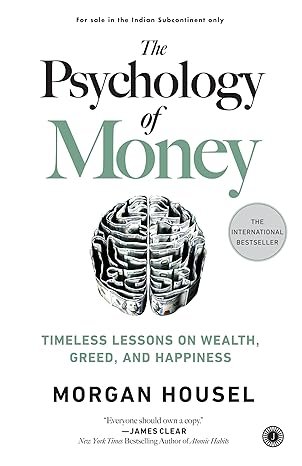
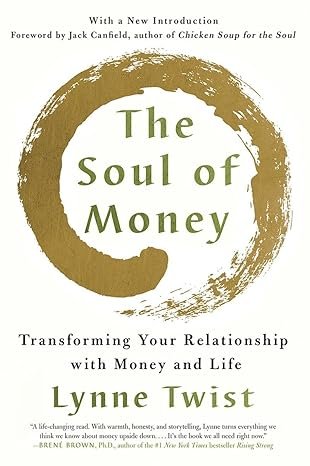
These books immensely helped me in my journey. You may try this too (click on the one you like and try it out).


A Final Reflection
Looking back, I still cannot prove whether affirmations directly created my financial freedom—or if it was simply the discipline of saving, investing, and letting compounding run its course. But I know this much with certainty: the day I began to respect money, to welcome it instead of fearing it, everything else in my financial journey shifted. Habits that once felt like chores—budgeting, saving, investing—became natural, almost effortless.
Money affirmations, then, are not superstition. They are a practice of philosophy—a way of rewriting your relationship with wealth at its deepest layer. They don’t replace logic or strategy; they empower it. Because when the inner script changes, the outer results follow.
So let me leave you with a question:
👉 What is the one money belief you’ve carried from childhood that secretly holds you back? And who might you become if you replaced that belief with an affirmation of abundance?
More from Personal Finance
Corporate Car Lease vs Buying a Car: How to Save Lakhs
If your employer offers a Corporate Car lease, buying a car may not be as straightforward as comparing one EMI with another....
What My Colleague’s Death Taught Me About Life, Family & Finances
There are some moments in life that don’t just shake you — they rearrange you from the inside. For me, a few...
Can cutting down on daily Chai make you a Crorepati?
Can skipping a daily chai really turn someone into a crorepati? At first glance, this idea sounds implausible, bordering on the absurd....